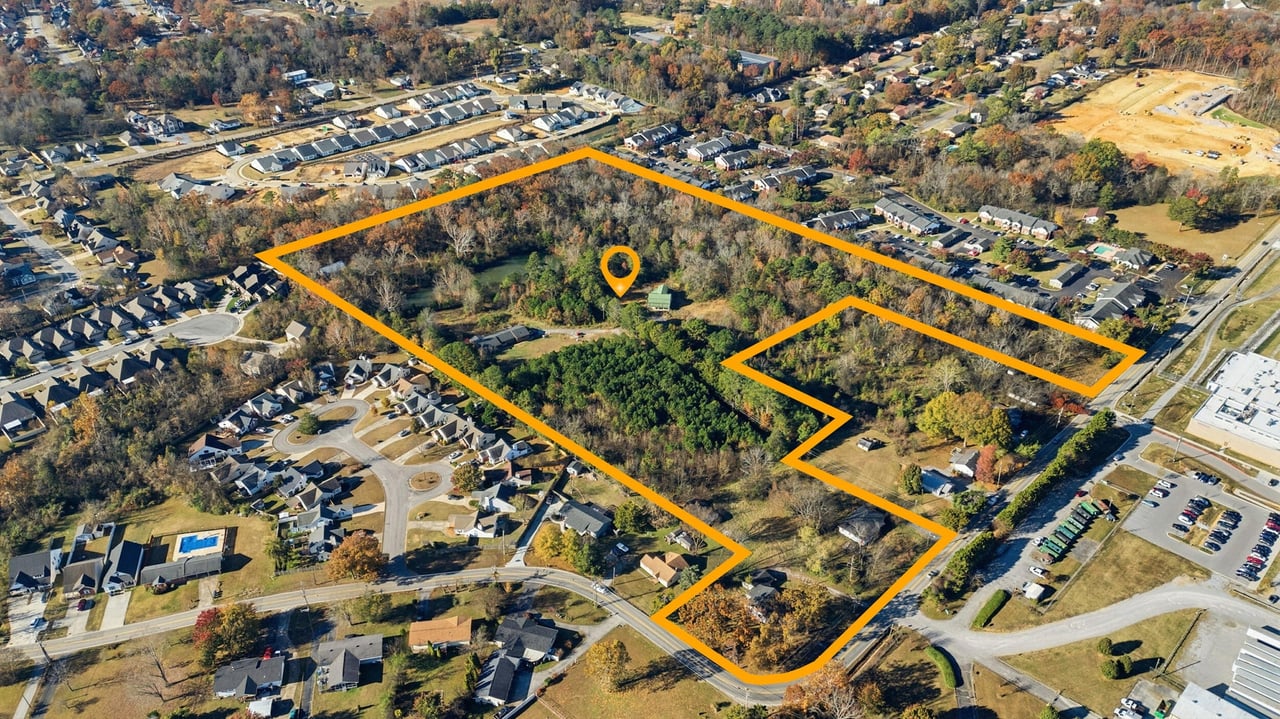
Chattanooga's unique blend of mountain vistas, river access, and urban revitalization makes it an increasingly attractive market for land buyers. Whether you're dreaming of building a custom home, starting a small farm, or developing commercial property, purchasing land in the Scenic City requires careful consideration of several critical factors. Here's what every prospective buyer needs to understand before signing on the dotted line.
Zoning Laws and Building Permits
Before falling in love with a piece of property, understanding its zoning designation is essential. Chattanooga and Hamilton County maintain distinct zoning ordinances that dictate what you can and cannot do with your land.
Zoning categories range from agricultural and residential to commercial and industrial, with numerous subcategories in between. For instance, a property zoned R-1 (single-family residential) won't allow you to operate a business or subdivide into multiple lots without going through a rezoning process. Similarly, agricultural zoning may restrict the size and type of structures you can build.
The permitting process in Chattanooga involves multiple agencies depending on your location and project scope. City properties require permits through the City of Chattanooga's Department of Engineering and Property Management, while county properties go through Hamilton County's Regional Planning Agency. Don't underestimate the timeline—permits can take several weeks to several months, especially for properties requiring variance requests or special exceptions.
Environmental considerations also play a role. Properties near protected wetlands, steep slopes, or within the floodplain face additional restrictions and may require environmental impact assessments. The Tennessee Department of Environment and Conservation oversees certain aspects of development that could affect water quality or natural resources.
Pro tip: Before making an offer, request a zoning verification letter from the appropriate agency. This official document confirms the property's current zoning and any existing restrictions. It's a small investment that can save you from costly surprises down the road.
Utilities and Access Challenges
One of the most significant—and often underestimated—costs of land ownership involves bringing utilities to your property and ensuring legal access.
Utility availability varies dramatically depending on location. In established neighborhoods, connecting to city water, sewer, electricity, and natural gas is relatively straightforward. However, properties outside city limits may require alternative solutions. Well water and septic systems are common in rural Hamilton County, but they come with upfront costs ranging from $15,000 to $30,000 or more, depending on soil conditions and depth to groundwater.
Electricity extension can be particularly expensive. While utility companies may provide power lines to your property line, extending service down a long private driveway could cost several thousand dollars per pole. Internet access is another consideration—while Chattanooga's famous municipal fiber network (EPB) serves much of the city, rural properties may be limited to satellite or fixed wireless options.
Access rights are equally crucial. Every property must have legal access to a public road. If your land is landlocked or only accessible through another person's property, you'll need an easement—a legal right to cross someone else's land. Easement issues can complicate financing, as many lenders won't approve loans for properties without guaranteed access.
Road maintenance is another factor. Private roads require agreements between property owners for upkeep and snow removal. Unpaved driveways on steep terrain—common in Chattanooga's hilly landscape—may need grading, gravel, and erosion control measures, adding thousands to your development costs.
Before purchasing, verify that utilities can reach the property at a reasonable cost and confirm that access is guaranteed through a recorded easement or public road frontage.
Rural vs. Infill Lots
The choice between rural acreage and an infill lot in an established neighborhood involves distinct trade-offs that affect everything from lifestyle to budget.
Rural properties offer space, privacy, and typically lower per-acre costs. You'll find these parcels in areas like Soddy-Daisy, Sale Creek, or the Sequatchie Valley. The appeal is obvious: room for animals, gardens, workshops, and breathing space between you and your neighbors. However, rural land comes with hidden costs beyond utilities and access. You're responsible for maintaining larger driveways, managing more land, and dealing with wildlife. Building costs may also run higher due to the distance contractors must travel. Additionally, rural properties often take longer to sell, which matters if your circumstances change.
Zoning in rural areas tends to be more permissive, allowing agricultural activities, larger outbuildings, and more flexibility in property use. However, you'll sacrifice convenience—grocery stores, schools, and medical facilities may be 20-30 minutes away.
Infill lots—vacant parcels within established city or suburban neighborhoods—offer the opposite proposition. These properties, found in areas like North Chattanooga, East Brainerd, or Hixson, come with infrastructure already in place. Utilities are on the street, roads are maintained by the city or county, and you're minutes from amenities. Resale is typically faster, and your property may appreciate more quickly in a desirable neighborhood.
The trade-offs include higher land costs per square foot, smaller lot sizes, and stricter zoning requirements. You'll deal with homeowner association rules in some neighborhoods, closer neighbors, and less flexibility in how you use your property. Building permits may require architectural review board approval, and setback requirements can limit your home's footprint.
Consider your lifestyle priorities carefully. If you value community, walkability, and convenience, an infill lot makes sense. If privacy, space, and self-sufficiency appeal to you, rural acreage may be worth the extra effort and expense.
Final Thoughts
Buying land in Chattanooga offers incredible opportunities, but success requires due diligence. Hire a real estate attorney to review title and easement issues, work with an experienced local realtor familiar with land transactions, and budget for professional surveys and soil tests. The investment of time and money upfront will help ensure that your piece of Chattanooga becomes the foundation for your dreams rather than a source of frustration.
Take your time, ask questions, and remember: the right piece of land is worth waiting for.
Connect With Us
If you’re curious about current opportunities or want to discuss how recent trends may impact your property decisions, contact us today to schedule a personalized consultation. 📞 423-544-7156
Grace Frank is a seasoned real estate expert with more than 25 years of experience in property listings, complex negotiations, and buyer representation. She has successfully completed over $150 million in 1031 Exchanges, demonstrating deep expertise and precision in every transaction.
At The Grace Frank Group, we specialize in New Construction, Relocation, Existing Home Sales, Farm and Land Transactions, Investment Properties, Sustainability-Focused Real Estate, Investor Purchases up to $25 Million, and Commercial Listings and Sales.
Looking for property in the Chattanooga, Tennessee area? Explore the latest listings at www.ChattanoogaPropertySearch.com.