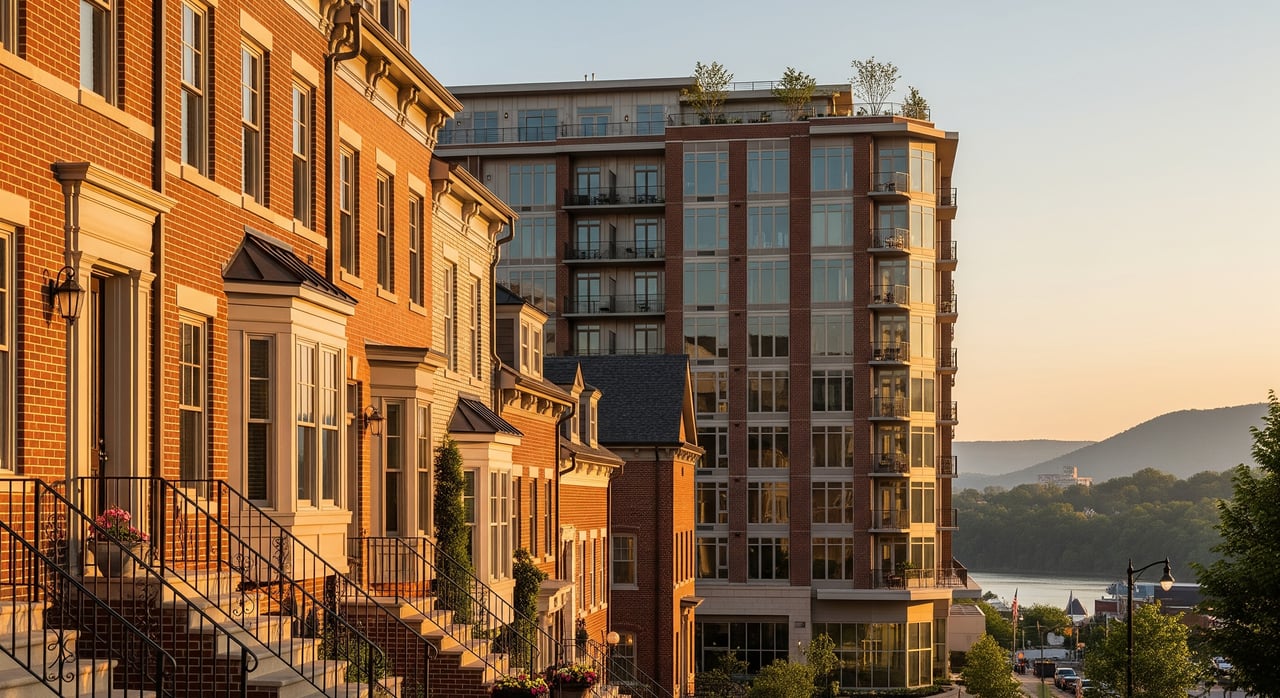
Trying to choose between a condo or a townhome in Chattanooga? You are not alone. Many buyers want a low-maintenance lifestyle near the river, the Southside, or in growing Hamilton County suburbs, but the differences between these two options are not always obvious. In this guide, you will learn what you actually own, how HOA fees and maintenance work, financing and insurance basics, and local neighborhood factors that can shape your decision. Let’s dive in.
What you own: condo vs. townhome
A condo usually means you own the interior of your unit and share ownership of the building’s common elements. These common elements often include the roof, exterior walls, land, hallways, elevators, and amenities that the association maintains. Your deed and the community’s condominium declaration define these specifics.
A townhome often means fee-simple ownership of your unit and the land it sits on from foundation to roof, with shared walls between neighbors. Many townhome neighborhoods still have a homeowners association, but your personal responsibility for the exterior can be higher than in a condo.
Here is the key: the way a building looks does not always match the legal form. Some townhome-style communities are legally condominiums, and a few condo buildings can be structured in unique ways. In Tennessee, the recorded plat, declaration, bylaws, rules, and your deed determine your rights and responsibilities. Before you make an offer, confirm the property type in Hamilton County records or the MLS field, and review the community documents with your agent. When details are complex, consider speaking with a local real estate attorney.
HOA roles and monthly costs
Condo associations usually manage the big building items. This often includes exterior maintenance, roofs, landscaping, parking lots, elevators, and insurance for common elements. Owners pay a monthly condo fee that funds these services and amenities.
Townhome HOAs can be lighter or heavier in scope depending on the documents. In some, the HOA only maintains shared landscaping and community spaces, leaving siding and roofs to individual owners. In others, the HOA takes care of major exterior components for every attached unit. Always verify in writing who fixes what.
When you review an HOA, look closely at:
- Monthly dues and what is included: utilities, water or sewer, trash, exterior maintenance, reserves, and master insurance.
- Reserve fund strength and the most recent reserve study. This helps you gauge the chance of a future special assessment.
- Special assessment history and how assessments are approved.
- Rules for rentals, short-term rentals, pets, parking, and exterior changes.
- Management quality: professional manager or volunteer board, response times, and budgeting approach.
Maintenance and daily life
Condos tend to centralize major building upkeep. Think roof replacement, exterior painting, siding repair, elevator replacement, and parking structure work. Your monthly fees support these shared responsibilities, which can offer convenience if you want minimal hands-on maintenance.
Townhomes vary. If you own the exterior, plan for roof replacement on your specific unit, siding and trim work, and driveway or garage maintenance. In exchange, you have more control over timing, contractors, and materials, subject to any architectural rules.
In Chattanooga’s older buildings, especially historic conversions downtown, maintenance needs can be different from newer construction. Masonry, waterproofing, and older mechanical systems may require more frequent attention. Ask for recent project history and upcoming plans before you buy.
Insurance at a glance
Insurance needs track the legal structure of the property. In most condos, you carry an HO-6 policy for interior improvements, personal property, and liability. The association carries a master policy for common elements and possibly the building shell. The master policy type can be bare walls-in or all-in, which affects your coverage needs.
Most fee-simple townhome owners carry an HO-3 or HO-5 policy that covers the structure and interior. If your HOA handles parts of the exterior, your insurance agent can adjust coverage accordingly. Always confirm in the documents exactly which party insures what. Gaps in coverage can lead to costly surprises.
Financing and appraisal factors
Lenders treat condominiums differently from fee-simple townhomes. Many loan programs for condos involve a project-level review that looks at owner-occupancy ratios, commercial space, and any ongoing litigation. FHA, VA, USDA, and conventional loans backed by Fannie Mae or Freddie Mac may require additional approval steps for condo buildings.
Townhomes that are fee simple are usually underwritten like single-family homes. That can mean a simpler loan process, though every loan file is unique.
If you plan to use FHA or VA financing, check a condo project’s approval status early. Appraisals can also be more delicate in some condo projects if there are limited recent comparable sales. Your lender and agent can help you navigate these items.
Taxes, assessments, and resale
Property taxes in Hamilton County affect your monthly housing cost along with your mortgage and HOA dues. Confirm the current assessed value and tax bill during due diligence. If you are buying in an association, ask about any planned or potential special assessments. These one-time charges can change your cost picture.
For resale, monthly HOA fees, building age, reserve strength, and rental rules all influence buyer demand. In Chattanooga, attached housing is popular with downsizers and urban buyers, and demand varies by neighborhood appeal, proximity to the river and trails, views of Lookout Mountain, and parking convenience. Remember that higher monthly fees can limit the buyer pool, while strong maintenance and amenities can support value.
Chattanooga neighborhoods: what to expect
Downtown and the riverfront tend to offer more true condominium options, including mid or high-rise buildings and historic conversions. These areas often deliver walkability and amenities. Be sure to check parking arrangements and whether the property sits in a FEMA flood zone. In floodplains, lenders may require flood insurance and you may need an elevation certificate.
NorthShore, Southside, and South Broad Street areas offer a mix of condos and new infill townhomes. Buyers often prioritize walkable access to restaurants, parks, and art. Association rules about short-term rentals are important here due to local demand and evolving regulations. Confirm what your HOA does or does not allow.
St. Elmo and the foothills near Lookout Mountain have fewer attached options than downtown but include some townhomes. Terrain can introduce unique maintenance needs like retaining walls or specific foundation designs. Ask about recent engineering work and exterior maintenance plans.
Suburban areas of Hamilton County like East Brainerd, Hixson, and Ooltewah have more townhome developments tied to master-planned communities. You often see more parking, garages, and small yard areas. HOA scopes differ widely, so clarify exterior responsibilities and any amenity fees.
How to verify the legal form
Because appearance can mislead, take these steps to confirm exactly what you are buying:
- Review the recorded plat, declaration, bylaws, and rules. Confirm where your ownership begins and ends.
- Check the MLS property type and Hamilton County records for “condominium” or “fee simple.”
- Confirm the boundary of maintenance and insurance: interior only, exterior shell, roof, and any exclusive use areas like patios or balconies.
- Ask for the master insurance certificate and summary of coverage.
- When documents are complex, consult a local real estate attorney for clarity.
Buyer checklist for condos and townhomes
Request these items as part of your due diligence:
- Recorded declaration or CC&Rs, bylaws, rules, and any amendments.
- HOA budget, reserve study, current financials, and meeting minutes for the last 6 to 12 months.
- Insurance certificate and clear outline of what the master policy covers versus owner responsibility.
- Resale certificate and any pending litigation disclosures.
- History of special assessments and planned capital projects.
- Plat and deed that show boundaries and exclusive use elements like parking or storage.
- Flood zone determination and any past water intrusion or claim history.
Lifestyle fit: which is better for you
Choose a condo if you want minimal exterior maintenance, shared amenities, and possibly elevator access or single-level layouts that suit downsizing. This can be ideal if you value convenience and are comfortable with a predictable monthly HOA fee that covers building services.
Choose a townhome if you prefer more control over the exterior and a feel closer to a single-family home. You may handle roof and siding over time, but you will often enjoy a private entry, garage, or yard, especially in suburban communities. Many buyers like the balance of low maintenance plus personal control.
If stairs are a concern, prioritize one-level condos or townhomes with elevator access or zero-step entries. Also compare your total monthly cost, not just the purchase price: mortgage, HOA, insurance, taxes, utilities, parking, and any condo or amenity fees.
Next steps with a local guide
The right choice depends on the property’s legal structure, the HOA’s health, and your day-to-day lifestyle goals. A clear review of the documents and local conditions will help you buy with confidence in Chattanooga and across Hamilton County. If you want help comparing specific buildings or neighborhoods, reach out to Grace Frank for local, document-based guidance tailored to your needs.
FAQs
What insurance do I need for a Chattanooga condo?
- Most condo owners need an HO-6 policy for interior improvements, belongings, and liability. Confirm how the association’s master policy covers the shell and common elements.
Are HOA fees typically higher for condos than townhomes in Chattanooga?
- Often yes, because condo HOAs cover more building-level services like roofs, exteriors, and elevators. Always compare what is included, not just the fee amount.
Can I rent out a condo or townhome in Hamilton County?
- It depends on HOA rules and local ordinances. Many associations limit short-term rentals or cap the total number of rental units, so review the rules before you buy.
What is a special assessment in an HOA, and why does it matter?
- A special assessment is a one-time charge for major repairs or projects when reserves are not sufficient. Reviewing reserve studies and past assessments helps you predict risk.
Which sells faster in Chattanooga, condos or townhomes?
- It varies by neighborhood, unit condition, HOA fees, and amenities. Walkable downtown condos can be in strong demand, while townhomes appeal to buyers wanting more space or a garage.
How do flood zones affect downtown Chattanooga condos?
- Some riverfront or low-lying areas fall within FEMA floodplains. Lenders may require flood insurance, and an elevation certificate may be part of the loan process.
What documents should I review before buying a condo or townhome?
- Ask for the declaration, bylaws, rules, budget, reserve study, financials, minutes, insurance certificate, resale certificate, and the plat and deed that show boundaries and exclusive use areas.