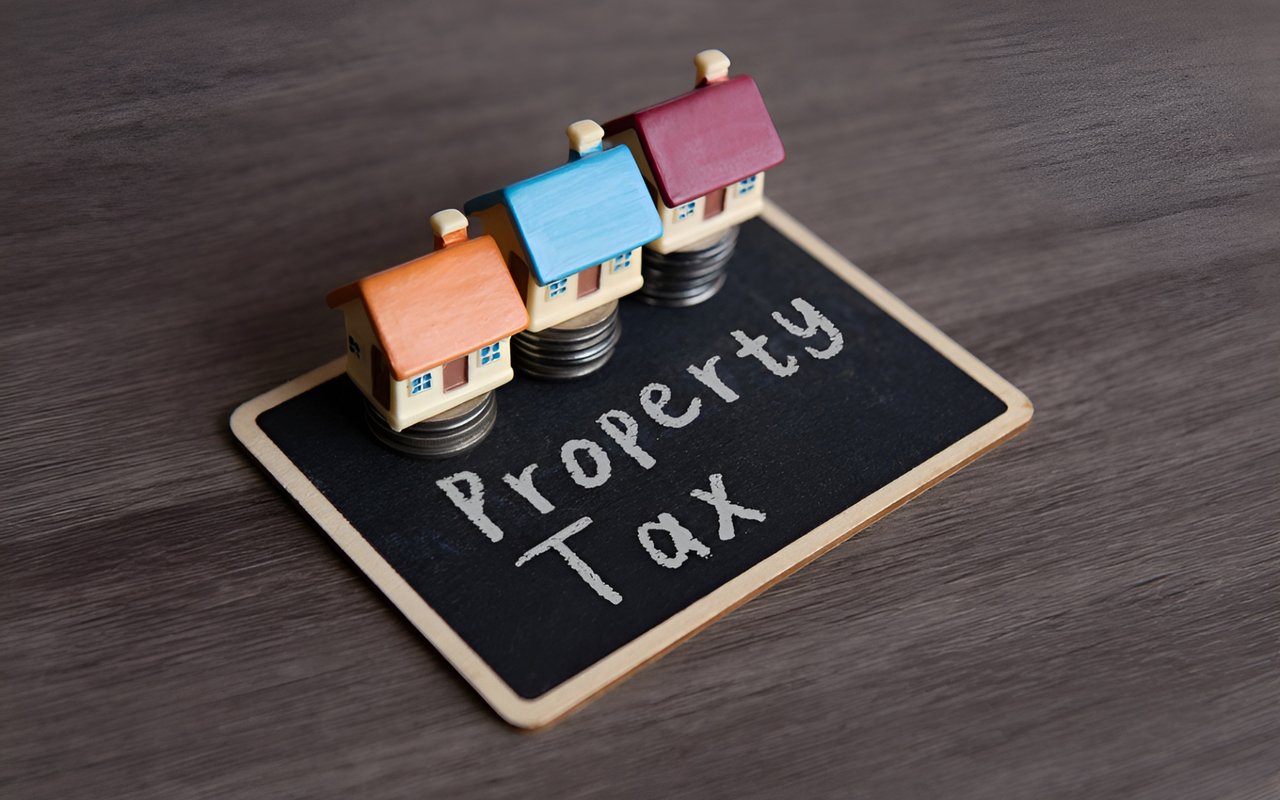
For anyone considering buying real estate in Hamilton County, Tennessee, understanding property taxes isn’t just smart—it’s essential. These ongoing costs can significantly impact your monthly budget and long-term financial planning. Whether you’re eyeing a home in downtown Chattanooga or considering property in the surrounding areas, here’s what you need to know about Hamilton County’s property tax landscape.
Tax Breakdown by Neighborhood
Hamilton County’s property tax rates vary significantly depending on your location, with the total effective tax rate combining county, city, and school district levies.
Chattanooga City Limits
Properties within Chattanooga city limits face the highest tax burden in the county. The combined rate typically runs around 1.2-1.4% of assessed value, which includes:
- Hamilton County general tax
- City of Chattanooga municipal tax
- Hamilton County school tax
- Chattanooga city school tax (if applicable)
Popular neighborhoods like North Shore, Southside, and St. Elmo fall into this category. A $300,000 home in these areas might generate annual property taxes between $3,600-$4,200.
Suburban Communities
Areas like East Brainerd, Hixson, and Red Bank typically see combined rates around 1.0-1.2%. These communities benefit from lower municipal rates while still accessing quality services. The same $300,000 home here might cost $3,000-$3,600 annually in taxes.
Unincorporated Areas
Rural and unincorporated areas of Hamilton County often have the lowest rates, sometimes as low as 0.8-1.0%. However, these areas may have limited city services. Property owners here pay county and school taxes but avoid municipal levies.
Signal Mountain and Lookout Mountain
These affluent communities maintain their own municipal governments and school systems. While property values are typically higher, the tax rates can be more favorable than Chattanooga proper, though still substantial due to higher assessed values.
Hidden Tax Factors for Buyers
Several factors can catch new property owners off guard when it comes to Hamilton County property taxes.
Assessment Timing and Reappraisal
Hamilton County conducts property reappraisals every four years, with the most recent occurring in 2021. When you purchase a property, the assessment often lags behind current market values, meaning your taxes might increase substantially at the next reappraisal cycle. A home purchased for $250,000 that was previously assessed at $180,000 will likely see a significant tax increase.
Homestead Exemption Gaps
Tennessee offers a $25,000 homestead exemption for owner-occupied properties, but there’s a critical timing issue. The exemption doesn’t automatically transfer with ownership—you must apply for it, and it only takes effect the following tax year. This means first-year homeowners often pay taxes on the full assessed value.
School District Boundaries
School district lines don’t always follow city boundaries, creating tax complexity. Some properties pay both city and county school taxes, while others may be in a city but served by county schools. Understanding which school district serves your property is crucial for accurate tax projections.
Special Assessments and TIF Districts
Some neighborhoods have special assessments for infrastructure improvements or fall within Tax Increment Financing (TIF) districts. These can add hundreds or even thousands to your annual tax bill. Areas undergoing redevelopment, like the Riverfront and downtown districts, often have these additional levies.
Agricultural and Greenbelt Designations
Properties with agricultural or forestry designations (greenbelt) receive significant tax breaks but come with restrictions. If you purchase such property and change its use, you may face rollback taxes covering several previous years at the higher rate.
Appeals, Exemptions, and Your Rights
Understanding your options for reducing property taxes can save thousands of dollars over time.
The Appeals Process
If you believe your property is overassessed, you have the right to appeal. In Hamilton County, the process involves:
- Informal Review: Contact the Property Assessor’s office first. Many issues resolve at this level through simple data corrections or comparable property analysis.
- Formal Appeal: File with the Hamilton County Board of Equalization between June 1-20 each year. You’ll need evidence like recent appraisals, comparable sales, or documentation of property defects.
- State Level: If unsatisfied, you can appeal to the State Board of Equalization, though few cases reach this level.
Available Exemptions
Beyond the standard homestead exemption, Hamilton County offers several specialized exemptions:
- Elderly/Disabled Exemption: Additional exemptions for property owners over 65 or those with disabilities, based on income limits
- Disabled Veterans: Significant exemptions for qualifying disabled veterans
- Agricultural/Forest Land: Substantial reductions for qualifying rural properties
- Historic Properties: Potential tax benefits for certified historic rehabilitations
Strategic Timing
The key dates for property tax planning in Hamilton County are:
- January 1: Assessment date—property ownership and condition on this date determines the full year’s taxes
- October: Tax bills typically mailed
- February 28: Deadline for paying without penalty (following year)
Budgeting Tips for Property Owners
Smart property tax planning starts before you buy and continues throughout ownership.
Pre-Purchase Planning
When house hunting, don’t rely solely on current tax bills. Research the property’s assessment history, upcoming reappraisal schedules, and any planned infrastructure projects that might trigger special assessments. Factor in potential tax increases when determining your maximum purchase price.
Escrow Account Management
Most mortgage lenders require escrow accounts for property taxes, but they often underestimate first-year costs due to exemption timing and assessment lag. Consider making additional escrow payments early to avoid shortage surprises.
Long-Term Budgeting
Property taxes tend to increase over time due to rising property values and municipal budget needs. Budget for annual increases of 2-4% to avoid financial strain. Consider setting aside tax savings in a separate account if your mortgage doesn’t require escrow.
Record Keeping
Maintain detailed records of home improvements, as some may not increase assessed value proportionally. Keep documentation of any property damage or depreciation that might support future appeals.
Professional Assistance
For expensive properties or complex situations, consider hiring a property tax consultant or attorney who specializes in assessments and appeals. The cost often pays for itself through successful reductions.
The Bottom Line
Property taxes in Hamilton County represent a significant ongoing cost that varies dramatically by location and property characteristics. Understanding these taxes before purchasing—and staying informed about your rights and options afterward—can save substantial money over time.
Whether you’re buying your first home or adding to an investment portfolio, factor property taxes into every financial decision. The difference between a high-tax and low-tax area can amount to tens of thousands of dollars over the life of your ownership, making this knowledge invaluable for any Hamilton County real estate investor.
Remember that tax laws and rates change regularly, so staying informed and reviewing your tax situation annually is crucial for optimal property ownership in Hamilton County, Tennessee.
Grace Frank is a seasoned real estate professional with over 25 years of experience in listing properties, negotiating challenging situations, and working with buyers. Our expertise is New Construction, Relocation, Existing Home Sales, Farm and Land Sales, Investment Listings, Sustainability, Investor Purchases up to $25M, and Commercial Listings and Sales.
For more information, contact the Grace Frank Group at (423) 355-1538 or email grace@gracefrankgroup.
Looking for property in the Chattanooga, Tennessee market? Search the latest listings at Chattanooga Property Search.